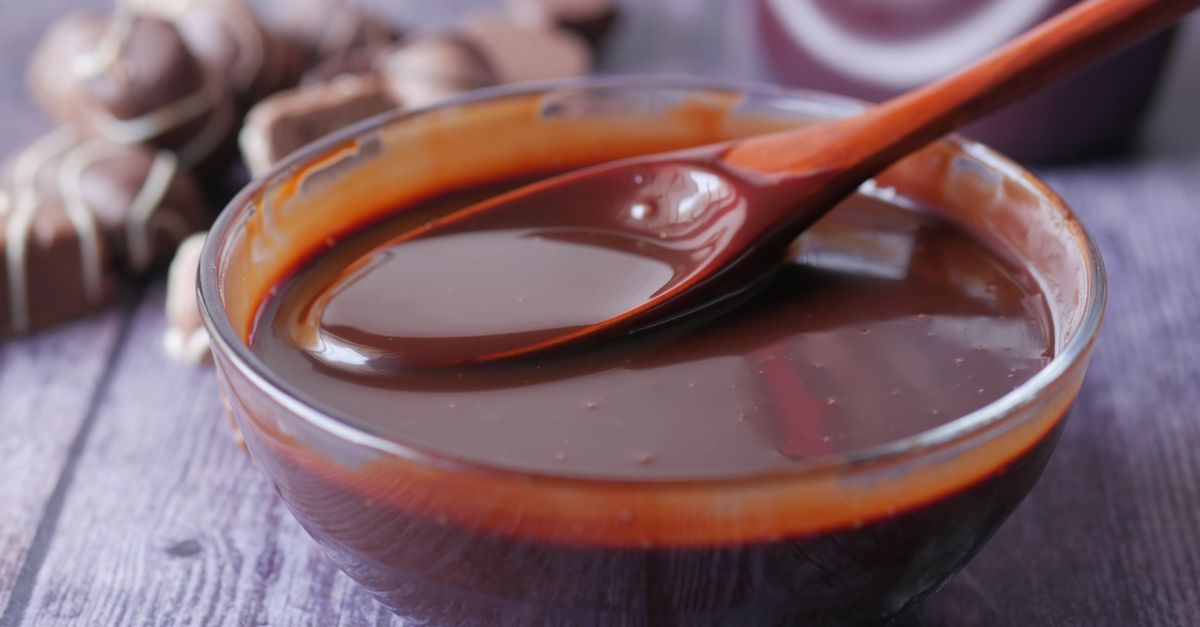
Why Your Homemade Sauces Are Too Thin and Lackluster (And The Pro Secrets for Rich, Velvety Perfection Every Time)
Have you ever meticulously followed a recipe for a homemade sauce, only to end up with a watery, insipid liquid that barely coats the back of a spoon? It’s a common culinary frustration, one that can transform an otherwise promising meal into a disappointment. You envision a luxurious béchamel, a robust marinara, or a silky gravy, but instead, you get a thin, flavorless excuse for a sauce that just sits on the plate, failing to bind or enhance your dish. In my experience, this isn’t usually due to a lack of effort, but rather a misunderstanding of a few fundamental principles that professional kitchens swear by. Many home cooks, myself included in my earlier days, often overlook these critical steps, leading to consistently lackluster results.
This isn’t just about thickness; it’s about the entire flavor and texture profile that elevates a dish from ordinary to extraordinary. A well-made sauce is the backbone of so many classic meals, providing moisture, binding ingredients, and delivering concentrated flavor. When it falls flat, the whole meal suffers. The good news? Achieving that rich, velvety perfection isn’t as intimidating as it sounds. It requires a few intentional shifts in technique and a deeper understanding of how ingredients interact. I’m going to share the professional secrets that changed everything for me, allowing me to create restaurant-quality sauces right in my own kitchen.
Key Takeaways
- Embrace reduction as your primary thickening and flavor-concentrating technique, not just adding flour or cornstarch.
- Always build flavor in layers, starting with aromatics and deglazing, before adding liquids.
- Master the art of emulsification to create stable, silky sauces without extra thickeners.
- Utilize compound butters or finishing drizzles for an unparalleled richness and sheen.
The Reduction Revolution: Why Less Liquid Means More Flavor and Body
Most home cooks, when faced with a thin sauce, immediately reach for a thickening agent like flour, cornstarch, or even a roux. While these have their place, relying solely on them is the first major mistake I see. The true secret to a rich, deeply flavored sauce is reduction. Reduction isn’t just about making a sauce thicker; it’s about concentrating its inherent flavors by evaporating excess water. Imagine taking a cup of beautifully roasted vegetable broth and simmering it until it’s reduced to a quarter cup – the resulting liquid is intensely flavorful and naturally thick, without any added starches. This is the essence of what professionals do.
For example, when making a pan sauce after searing a steak, instead of immediately dumping in broth and thickening with cornstarch, I’ll first deglaze the pan with a bit of wine or stock, scraping up all those delicious browned bits (fond). Then, I’ll let that liquid simmer vigorously until it reduces by half or even two-thirds. This concentrates the rich, savory flavors from the fond and the deglazing liquid. Only after a significant reduction, if it still needs a little more body, might I consider a touch of butter whisked in to emulsify, or a very small slurry of cornstarch, but the bulk of the thickening and flavor comes from evaporation. This technique works wonders for marinara, gravies, and even delicate fruit sauces. You’re not just adding bulk; you’re building a more complex, profound taste. Aim for a reduction of at least 30-50% for most savory sauces.
Layering Flavor from the Start: Beyond Just ‘Adding Stock’
Another common pitfall is the one-dimensional approach to flavor. Many recipes tell you to ‘add stock,’ and that’s it. But a truly great sauce has depth and complexity that comes from layering flavors from the very beginning. Think of it like building a house: you start with a strong foundation before adding the walls and roof.
When I approach a sauce, I always begin with aromatics. Sautéing finely diced onions, shallots, garlic, or celery until deeply softened and translucent, sometimes even caramelized, creates a flavor base that cannot be replicated later. This ‘mirepoix’ or ‘soffritto’ is foundational. Next, if I’m making a tomato-based sauce, I’ll often add a tablespoon of tomato paste and cook it for a minute or two until it darkens slightly. This small step, often called ‘blooming’ the tomato paste, deepens its sweetness and umami, taking away its raw edge. Only after these initial flavor builders are established do I introduce liquids like wine (reducing it almost entirely to concentrate its acidity and fruitiness) and then stock or crushed tomatoes. This sequential addition and cooking of ingredients ensures that each component contributes its maximum flavor potential, resulting in a sauce that is rich, nuanced, and anything but lackluster.
The Power of Emulsification: Creating Silky Smoothness Without Extra Starch
If you want sauces that have a glossy sheen and a luxurious mouthfeel without being gloopy, mastering emulsification is key. This is where fats and liquids, usually at the end of the cooking process, come together to form a stable, smooth mixture. The most common and effective emulsifier in professional kitchens is butter, especially cold butter.
Once your sauce has reduced to your desired consistency and concentrated flavor (see ‘Reduction Revolution’ above), take it off the direct heat. Then, gradually whisk in small pats of cold butter, one at a time. The cold butter helps the fat droplets disperse evenly throughout the liquid. As each pat melts and is fully incorporated, it slightly thickens the sauce and gives it an incredible sheen and silky texture. This technique, often called ‘monter au beurre’ in French cuisine, is how chefs achieve those unbelievably rich pan sauces and gravies without adding a single gram of flour or cornstarch. The trick is to keep whisking constantly and not to let the sauce boil after adding the butter, as this can cause the emulsion to break. It’s a game-changer for finishing delicate sauces, adding both richness and a beautiful aesthetic.
Finishing Touches: Compound Butters, Infused Oils, and Herbaceous Drizzles
The difference between a good sauce and a great sauce often lies in the finishing touches. These are the elements added at the very end, just before serving, that provide a final burst of flavor, aroma, and visual appeal. I never skip this step because it consistently elevates the entire dish.
For rich, savory sauces, a swirl of compound butter is unparalleled. I always have a few varieties on hand in the freezer: garlic-herb butter, anchovy butter, or even a smoked paprika butter. Just a teaspoon or two whisked into the finished sauce right before serving melts beautifully, adding a complex layer of fat and flavor. For lighter, brighter sauces like a pesto or a salsa verde, a drizzle of high-quality infused olive oil (think chili oil, lemon oil, or herb oil) adds vibrancy and a luxurious mouthfeel without making it heavy. Freshly chopped herbs like parsley, chives, or cilantro stirred in at the last minute also provide a burst of freshness and a contrasting texture. These small additions act like the final brushstrokes on a painting, bringing the entire composition to life. It’s about thinking beyond just the core ingredients and considering how to provide that final flourish of richness, acidity, or freshness that makes the sauce truly sing.
Frequently Asked Questions
How can I thicken a sauce without using flour or cornstarch?
Reduction is your best friend. Simmer your sauce gently or vigorously to evaporate excess water, concentrating flavors and naturally thickening it. Additionally, a cold butter emulsion (monter au beurre) can add body and a silky texture. You can also incorporate pureed vegetables or legumes (like roasted garlic or white beans) for natural thickening and added depth.
Why does my sauce sometimes taste bland even after reducing it?
Blandness often stems from not building enough flavor layers from the start. Ensure you’re properly browning aromatics (onions, garlic) before adding liquids. Deglaze the pan with wine or stock to capture all the flavorful fond. Toasting spices before adding liquids can also deepen their aroma and taste. Remember, reduction concentrates existing flavors; if the base flavor isn’t strong, the reduced sauce will still be weak.
Can I fix a sauce that’s already too thin after it’s cooked?
Absolutely. The first step is to gently simmer and reduce it further to concentrate. If more body is needed, you can quickly make a beurre manié (equal parts softened butter and flour kneaded together) and whisk in small pieces, allowing each to melt and thicken before adding more. Alternatively, a cornstarch slurry (1 part cornstarch to 2 parts cold water, whisked smooth) can be slowly added while whisking over medium heat until desired thickness is reached. For a richer, less starchy approach, whisk in a few pats of cold butter off the heat to create an emulsion.
What’s the ideal consistency for a sauce?
It largely depends on the type of sauce and its intended use. A general rule of thumb for many savory sauces is that it should be able to coat the back of a spoon evenly without running off immediately. For pasta sauces, it should cling to the noodles. For gravies, a slightly thicker, pourable consistency is often preferred. Ultimately, it’s about balance – rich and flavorful, not overly thick or gummy, and never watery.
How can I make my sauces glossy and appealing, like in restaurants?
A glossy finish is often achieved through fat and proper emulsification. Whisking in cold butter at the very end (monter au beurre) creates a beautiful sheen. A touch of high-quality olive oil or a swirl of cream can also add gloss and richness. Ensure your sauce is smooth and free of lumps, as texture greatly impacts visual appeal.
Conclusion
Creating rich, velvety, and deeply flavorful sauces at home isn’t a mystical art reserved for professional chefs. It’s a craft built on understanding fundamental culinary principles: prioritizing reduction for flavor concentration and natural thickening, meticulously layering flavors from the outset, mastering the magic of emulsification, and applying thoughtful finishing touches. By integrating these techniques into your cooking, you’ll transform your sauces from watery disappointments into the crowning glory of your meals. Stop settling for bland; start building sauces that sing. Your taste buds, and your guests, will thank you.
Written by Dr. Lena Sharma
Preventative Health & Lifestyle
A former public health researcher with a knack for translating complex science into easy-to-understand advice.
You Might Also Like
Why Your Expensive Coffee Maker Underperforms (And The Overlooked Mistakes Ruining Your Brew)
Investing in a high-end coffee maker doesn't guarantee a great cup. Learn the common mistakes that sabotage your brew and how to fix them for café-quality coffee at home.

Why Your Home Still Smells Stale (Even After Cleaning) — And What Actually Works for Real Freshness
Discover why your home's air still feels stale after cleaning and the surprising culprits. Learn Dr. Lena Sharma's practical tips for lasting freshness.

Why Your Home Always Feels Stuffy (Even With the Windows Open) — And What Actually Works for Real Fresh Air
Discover the overlooked reasons your home feels stuffy, even with open windows, and learn effective strategies for lasting fresh air, not just temporary relief.