Why Your Expensive Coffee Maker Underperforms (And The Overlooked Mistakes Ruining Your Brew)
You did it. You finally invested in that fancy coffee maker, the one with all the bells and whistles, promising barista-level brews from your kitchen. You meticulously followed the setup guide, bought expensive beans, and even tried to mimic your favorite café’s ratios. Yet, the coffee still tastes… meh. It’s often bitter, sometimes watery, and definitely not the rich, aromatic experience you shelled out hundreds (or thousands) for. The problem isn’t always the machine; in my experience, it’s almost always a handful of common, yet overlooked, mistakes that sabotage even the most premium equipment. People assume a better machine magically fixes everything, but without addressing these fundamental flaws, you’re just making mediocre coffee with expensive gear.
Key Takeaways
- The right water temperature is crucial; most home machines, even expensive ones, often miss the mark.
- Grind size isn’t just a preference; it’s the single most impactful factor on extraction and flavor.
- Storing beans incorrectly degrades flavor rapidly, even with the best beans.
- Preheating your equipment is non-negotiable for consistent, delicious results.
Your Water Temperature is All Wrong (Even with a ‘Smart’ Machine)
One of the biggest culprits behind a bad cup, especially a bitter one, is incorrect water temperature. Most expensive coffee makers boast precise temperature control, but this often refers to the heating element, not the actual temperature of the water when it hits the coffee grounds. Water that’s too hot (above 205°F or 96°C) extracts bitter compounds and burns the delicate aromatics. Water that’s too cool (below 195°F or 91°C) leads to under-extraction, resulting in a sour, weak, or flat cup. The ideal range is generally between 195-205°F (91-96°C).
What I’ve found, even with machines touting advanced heating systems, is that the thermal mass of your brewing equipment (the filter basket, carafe, etc.) and the room temperature can rapidly drop the water temperature before it even touches the coffee. This is particularly true for single-serve brewers or when brewing small batches. The solution isn’t to crank up the machine’s temperature, which risks over-extracting. Instead, preheat everything. Run a cycle of hot water through the empty machine, letting it fill the carafe and warm the filter basket. This simple step ensures the brewing temperature remains stable throughout the entire extraction process, leading to a much more balanced and flavorful cup. I’ve seen this alone transform a lackluster brew into something truly enjoyable, all without touching a single setting on the expensive machine itself.
You’re Ignoring the Power of Grind Size (And It’s Ruining Your Extraction)
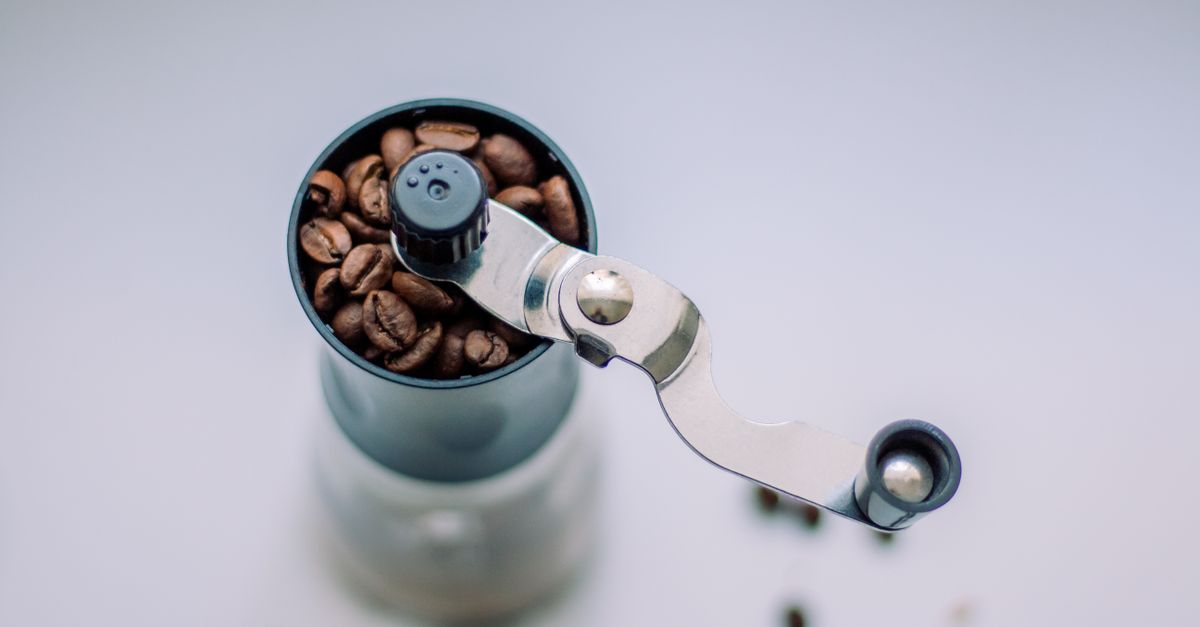
Many coffee lovers will invest in a high-quality coffee maker but then skimp on the grinder, or worse, use pre-ground coffee. This is akin to buying a luxury car and filling it with low-octane fuel. The grind size is arguably the most critical factor influencing extraction, and thus, flavor. Pre-ground coffee is designed for convenience, not precision. It’s often too fine for drip brewers, leading to over-extraction and bitterness, or too coarse, resulting in under-extraction and sourness.
Even with a decent grinder, most people don’t experiment enough. Each coffee bean, roast level, and brewing method demands a specific grind size to optimize the surface area for water contact and extraction time. In my experience, a consistent burr grinder (not a blade grinder, which just smashes beans inconsistently) is as important as the coffee maker itself. If your expensive brew is consistently bitter, try a coarser grind. If it’s sour or weak, go finer. The key is small, incremental adjustments. Think of it like a puzzle: the water temperature, contact time (which the machine controls), and grind size (which you control) must all fit perfectly to unlock the coffee’s full potential. Without a consistent, adjustable grind, your expensive machine is fighting an uphill battle.
Your Coffee Bean Storage Habits Are Stale (Literally)
You spent good money on that single-origin, freshly roasted bag of beans, only to store it in the freezer or, even worse, in a clear container on your countertop. This is a fast track to stale, lackluster coffee, regardless of your brewing equipment. Coffee beans are highly perishable, and their delicate aromatics and oils degrade rapidly when exposed to oxygen, light, moisture, and fluctuating temperatures.
Freezing beans, a common misconception for freshness, actually introduces moisture and can cause freezer burn, leading to off-flavors. Storing them in a transparent container exposes them to light, accelerating oxidation. What I’ve found is that the original bag, if it’s opaque and has a one-way valve, is often the best short-term storage. For longer term, invest in an airtight, opaque canister specifically designed for coffee, kept in a cool, dark pantry. Avoid the refrigerator too, as coffee acts as a deodorizer and will absorb other food odors. Freshness matters more than any other factor when it comes to flavor, and neglecting proper storage means you’re starting with compromised ingredients, making your expensive coffee maker redundant.
You’re Using the Wrong Water (Or Just Tap Water)
This is a mistake many overlook, assuming all water is created equal. It’s not. Water quality can dramatically affect the taste of your coffee. Hard water (high mineral content) can lead to scale buildup in your machine, impacting its performance and potentially causing issues. Soft water can result in a flat, dull brew because it lacks the minerals that interact with coffee compounds to enhance flavor. Heavily filtered or distilled water, while clean, is often too ‘empty’ and can make your coffee taste thin and lifeless.
In my journey to perfect home brewing, I discovered that the ideal water for coffee has a balanced mineral content. If your tap water is heavily chlorinated, has a strong sulfur smell, or leaves a visible residue, it’s definitely impacting your coffee. I personally use a simple charcoal filter pitcher or bottled spring water. Some enthusiasts even go as far as using third-wave water additives to achieve specific mineral profiles. While that might be overkill for most, simply using filtered water free of strong odors and excessive minerals can make a profound difference. Your expensive machine can only brew with what you give it, and if that’s subpar water, your coffee will reflect it.
You’re Not Cleaning Your Machine Regularly Enough
This is probably the most neglected aspect of home brewing. You wouldn’t cook in a dirty pan and expect a gourmet meal, yet many people rarely deep clean their expensive coffee makers. Over time, coffee oils build up in the brewing chamber, filter basket, and carafe, becoming rancid. Mineral deposits from water accumulate, affecting heating elements and water flow. This buildup imparts a stale, bitter, and sometimes metallic taste to your fresh coffee, completely overpowering the delicate notes of your expensive beans.
Even if your machine has a ‘clean’ cycle, it’s often not enough. I recommend a thorough cleaning every 1-2 weeks, depending on usage. This involves using a descaling solution to remove mineral buildup (critical for extending machine life and maintaining proper water temperature) and a coffee machine cleaner to dissolve old coffee oils. Disassemble any removable parts and wash them with hot, soapy water. Run a few cycles of plain water through the machine after cleaning to rinse thoroughly. This simple, consistent maintenance ensures your expensive coffee maker can do its job properly, delivering clean, vibrant flavors every time.
Frequently Asked Questions
Q: Is a blade grinder really that bad for expensive coffee beans?
A: Yes, absolutely. A blade grinder doesn’t actually grind; it smashes and chops the beans inconsistently, creating a mix of fine dust and coarse chunks. This unevenness leads to poor extraction, where some particles over-extract (bitter) and others under-extract (sour), resulting in a muddy, unbalanced cup, regardless of how expensive your coffee maker is. Invest in a burr grinder for uniform particle size.
Q: Should I buy whole beans or pre-ground coffee?
A: Always buy whole beans and grind them just before brewing. The moment coffee is ground, its surface area is vastly increased, accelerating oxidation and the loss of volatile aromatic compounds. Pre-ground coffee starts degrading almost immediately. Grinding fresh ensures you capture the maximum flavor and aroma.
Q: How do I know if my water is too hard or too soft for coffee?
A: You can buy simple water testing strips online or at hardware stores to check your tap water’s hardness. Generally, water with a Total Dissolved Solids (TDS) measurement between 75-150 ppm (parts per million) is considered ideal for coffee. If your water tastes distinctly chlorinated, filtered charcoal pitchers are a good start. If you see white mineral deposits in your kettle, your water is likely too hard.
Q: My coffee still tastes bitter even after trying these tips. What else could it be?
A: If bitterness persists, re-evaluate your grind size first (go coarser). Next, check your coffee-to-water ratio. Using too much coffee for the amount of water can lead to over-extraction and bitterness. A good starting point is usually 1:16 (1 gram of coffee to 16 grams of water). Finally, ensure your machine is thoroughly cleaned and descaled, as rancid oils and mineral buildup are common causes of bitterness.
Q: How often should I descale my expensive coffee maker?
A: The frequency depends on your water hardness and how often you use your machine. For most regular users with moderately hard water, descaling every 1-3 months is a good practice. If you have very hard water, you might need to do it monthly. Your machine’s manual should also provide specific recommendations. Regular descaling prevents mineral buildup that can damage your machine and impart off-flavors.
Don’t let your expensive coffee maker be just another kitchen gadget collecting dust. With these adjustments, you can unlock the true potential of your equipment and enjoy truly exceptional coffee right in your home. Start with one change and taste the difference. It’s often the small, overlooked details that elevate your daily ritual from mundane to magnificent.
Written by Clara Jenkins
Nutrition & Gut Health
A registered dietitian who simplifies nutrition into delicious, everyday choices.
You Might Also Like
Why Your Home Still Smells Stale (Even After Cleaning) — And What Actually Works for Real Freshness
Discover why your home's air still feels stale after cleaning and the surprising culprits. Learn Dr. Lena Sharma's practical tips for lasting freshness.

Why Your Home Always Feels Stuffy (Even With the Windows Open) — And What Actually Works for Real Fresh Air
Discover the overlooked reasons your home feels stuffy, even with open windows, and learn effective strategies for lasting fresh air, not just temporary relief.
Why Your Home Still Smells Stale (Even After Cleaning) — And What Actually Works for Real Freshness
Discover the overlooked reasons your home smells stale after cleaning and actionable strategies for lasting freshness, beyond just surface cleaning.