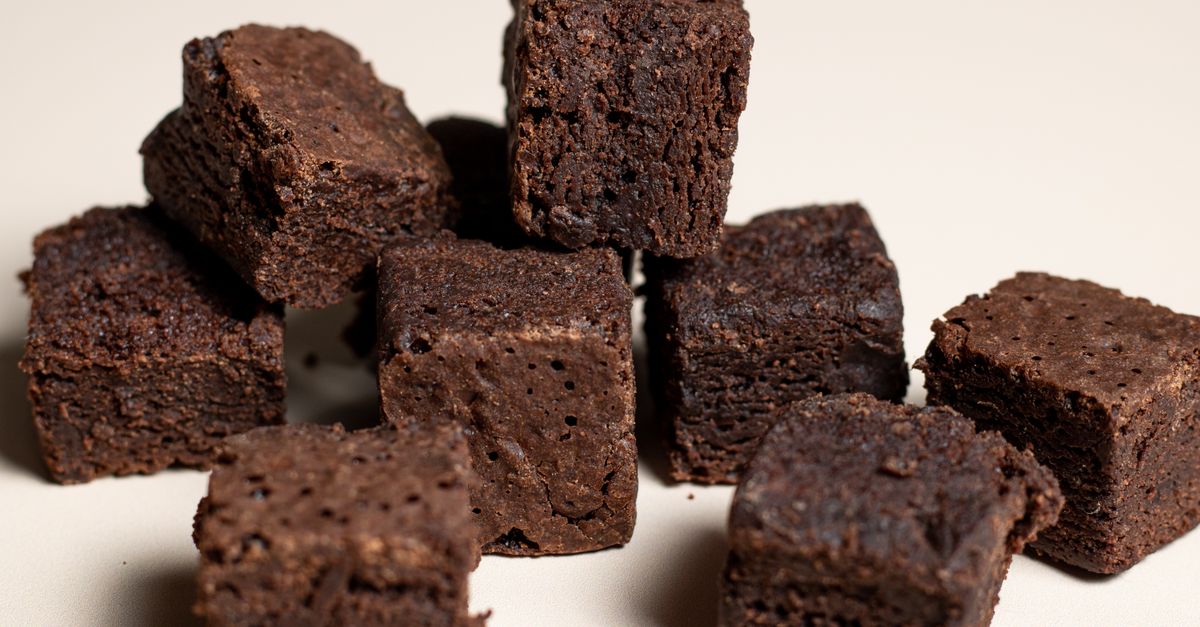
Why Your Homemade Brownies Are Cakey (And The Simple Shifts That Guarantee Fudgy Perfection Every Time)
You’ve scoured Pinterest, tried five different recipes, and still, your homemade brownies come out more like chocolate cake than the dense, gooey squares you crave. It’s a common frustration, and I hear it constantly from aspiring home bakers. You follow the instructions to a T, but that signature crackly top and ultra-fudgy interior remain elusive.
In my experience, the problem isn’t usually the recipe itself, but a few subtle yet critical missteps in ingredient ratios and baking technique that transform a potential fudgy masterpiece into a cakey disappointment. What changed everything for me was understanding the science behind the perfect brownie and adjusting my approach accordingly. It’s not about magic; it’s about precision and knowing where to tweak.
Key Takeaways
- Prioritize fat over flour and use melted butter with a specific sugar ratio to achieve ultimate fudginess.
- Never aerate your batter; minimize mixing to prevent gluten development and a cake-like texture.
- Understand that chocolate choice impacts texture: higher fat, lower sugar chocolate yields denser, fudgier results.
- Embrace strategic underbaking and a full cooling period for that coveted gooey center.
The Silent Killer: Too Much Flour and Too Little Fat
The single biggest culprit behind cakey brownies is an imbalanced fat-to-flour ratio. Many recipes, especially older ones, call for a flour amount that’s simply too high, mimicking cake batter proportions. When you add too much flour, you introduce more gluten-forming proteins, which, when developed through mixing, give structure – great for cake, terrible for fudgy brownies.
What actually works? A higher fat content is paramount. Think melted butter over creamed butter and sugar. Creaming butter incorporates air, which again, is excellent for lifting cakes but detrimental to fudgy brownies. Melted butter, on the other hand, contributes moisture and density without adding air. Beyond that, the ratio of fat (butter/oil) to flour should lean heavily towards fat. For every cup of flour, I often use at least 1/2 to 3/4 cup of melted butter or a combination of butter and oil. This creates a richer, more compact crumb structure.
Another overlooked aspect is the sugar. While sugar adds sweetness, it also draws in moisture, contributing to a fudgier texture. A combination of granulated sugar and brown sugar is ideal. Granulated sugar provides that desirable crackly top, while brown sugar, with its molasses content, adds moisture and chewiness. My go-to ratio is often a 1:1 or 2:1 ratio of sugar to flour by weight. Yes, by weight – precision matters here more than anywhere else.
The Over-Mixing Epidemic: Why Less is Always More
We’ve all been taught to mix until just combined, but for fudgy brownies, you need to take that advice to an extreme. The moment you introduce flour to your wet ingredients, gluten development begins. The more you mix, the more gluten develops, leading to a chewy, bread-like, or worse, cakey texture.
What changed everything for me was adopting a minimalist mixing philosophy. After combining the wet ingredients (melted butter, sugars, eggs, vanilla), you should literally fold in the dry ingredients (flour, cocoa powder, salt, leavening if any, which I usually omit for fudgy brownies) for no more than 10-15 seconds. You’re aiming for a barely combined batter with visible streaks of flour remaining. Trust me, these will disappear during baking, and the reward is an incredibly tender crumb. I use a spatula, not a whisk, for this final step to avoid incorporating air.
Even more critical is avoiding aeration at every step after melting the butter. Whisking eggs too vigorously before adding them to the melted butter-sugar mixture can incorporate air, leading to a fluffier, less dense brownie. Instead, gently whisk your eggs just enough to break them up before folding them into the butter and sugar. This meticulous attention to minimizing air ensures your brownies remain dense and fudgy.
Chocolate Quality and Type: It’s Not Just About Flavor
The type and quality of chocolate you use have a profound, often underestimated, impact on the texture of your brownies. Many recipes just say ‘chocolate’ or ‘cocoa powder,’ leaving you to guess, but this is a critical detail. Cheap chocolate, or chocolate with a high sugar content and low fat content, will yield a different result than high-quality, high-fat chocolate.
For ultimate fudginess, I always advocate for a combination of unsweetened or dark cocoa powder (Dutch-processed is preferred for darker color and mellower flavor) and melted bittersweet or semi-sweet chocolate. The fat in the melted chocolate adds richness and density, while the cocoa powder provides intense chocolate flavor without adding extra sugar that could dry out the brownies. If you only use cocoa powder, you’re missing out on that luxurious, melt-in-your-mouth texture.
Specifically, look for baking chocolate that contains at least 60-70% cacao. The higher the cacao percentage, the more cocoa butter it contains, which translates to a fudgier brownie. Avoid milk chocolate or chocolate chips with stabilizers, as these can interfere with the texture. My secret weapon is often adding a tablespoon of instant espresso powder – it doesn’t make the brownies taste like coffee, but it significantly deepens the chocolate flavor without altering the texture.
The Underbaking Sweet Spot: A Fine Line Worth Walking
Baking time is perhaps the most nerve-wracking part of achieving fudgy brownies. The biggest mistake people make is baking them until a toothpick comes out clean. If you do that, you’ve essentially made cake. Brownies continue to cook and set as they cool, so pulling them out of the oven at precisely the right moment is crucial.
What I’ve learned is that a fudgy brownie should always look slightly underbaked in the very center when you pull it from the oven. The edges should be set, and perhaps a toothpick inserted near the edge might come out clean, but a toothpick inserted into the dead center should still have moist crumbs clinging to it, or even look a bit gooey. This means the internal temperature is just right to finish setting as it cools, resulting in that perfectly gooey center.
My personal strategy involves checking the brownies 5-7 minutes before the recipe’s minimum recommended baking time. Then, I check every 2-3 minutes until I see those moist crumbs. It’s far better to err on the side of underbaking than overbaking. Immediately upon removing from the oven, resist the urge to cut into them. Allowing your brownies to cool completely, preferably for several hours or even overnight, ensures they set properly and develop that signature fudgy, dense texture. Chilling them in the refrigerator for an hour or two before cutting can also help achieve cleaner slices.
Frequently Asked Questions
Why do my brownies taste dry?
Your brownies likely taste dry due to too much flour, too little fat, or overbaking. Ensure you’re using melted butter and a good ratio of fat to flour, and always pull the brownies from the oven when the center still looks slightly underbaked.
Can I use oil instead of butter for fudgy brownies?
Yes, you can often substitute oil for butter to enhance fudginess, as oil is 100% fat, whereas butter is about 80% fat and 20% water. However, butter adds flavor that oil might lack. A combination of both often yields the best results.
My brownies have a puffy, rounded top instead of a flat, crackly one. Why?
A puffy top usually indicates too much leavening (baking powder/soda) or too much air incorporated into the batter. For fudgy brownies, I often omit leavening entirely or use a very minimal amount. Also, be gentle when mixing to avoid aeration.
How can I get that shiny, crackly top on my brownies?
Achieving a shiny, crackly top often comes down to thoroughly dissolving the sugar in the melted butter and eggs, typically by whisking them together until the mixture is glossy and slightly thickened, before adding the dry ingredients. The high sugar content helps create this effect.
How long should brownies cool before cutting?
For the fudgiest, cleanest cuts, brownies should cool completely to room temperature, which can take 2-4 hours, or even overnight. Chilling them in the refrigerator for 1-2 hours after cooling can make cutting even easier.
In the realm of baking, brownies are deceptively simple, yet mastering that fudgy texture requires a nuanced approach. Forget the ‘clean toothpick’ test and embrace the subtle art of underbaking. By focusing on the right fat-to-flour ratio, minimizing mixing, choosing quality chocolate, and exercising patience during cooling, you’ll consistently achieve those dense, rich, and utterly irresistible fudgy brownies you’ve been dreaming of. Don’t settle for cakey; aim for perfection.
Written by Clara Jenkins
Nutrition & Gut Health
A registered dietitian who simplifies nutrition into delicious, everyday choices.
You Might Also Like
Why Your Expensive Coffee Maker Underperforms (And The Overlooked Mistakes Ruining Your Brew)
Investing in a high-end coffee maker doesn't guarantee a great cup. Learn the common mistakes that sabotage your brew and how to fix them for café-quality coffee at home.

Why Your Home Still Smells Stale (Even After Cleaning) — And What Actually Works for Real Freshness
Discover why your home's air still feels stale after cleaning and the surprising culprits. Learn Dr. Lena Sharma's practical tips for lasting freshness.

Why Your Home Always Feels Stuffy (Even With the Windows Open) — And What Actually Works for Real Fresh Air
Discover the overlooked reasons your home feels stuffy, even with open windows, and learn effective strategies for lasting fresh air, not just temporary relief.