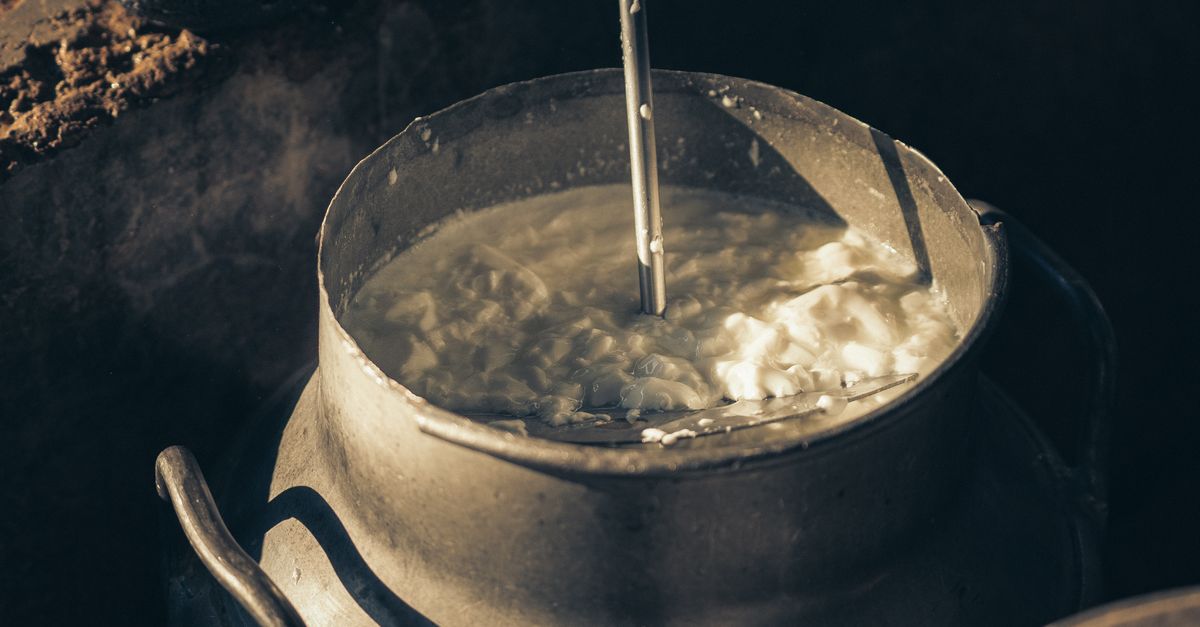
Why Your Homemade Yogurt Isn't Thick and Creamy (And The Pro Secrets That Guarantee Perfect Texture Every Time)
You’ve spent the money on a good starter culture, maybe even a fancy yogurt maker, only to open the lid and find… a thin, watery, almost curdled mess. It’s not what you envisioned when you pictured that luscious, thick Greek-style yogurt you crave for your morning parfait or a creamy dip. In my experience, this is the single most common frustration home yogurt makers face. They follow recipes to the letter, yet their yogurt consistently lacks that velvety, spoon-standing-up texture. The truth is, achieving truly thick and creamy homemade yogurt goes beyond just mixing milk and culture. It involves understanding a few critical, yet often overlooked, factors that dictate the final consistency. If you’re tired of pouring your yogurt instead of scooping it, then you’re in the right place.
Key Takeaways
- Always start with whole milk, and consider fortifying it with milk powder for extra protein and a dramatically thicker result.
- Precisely heat your milk to 180-185°F (82-85°C) to denature proteins, then cool it rapidly to 105-115°F (40-46°C) for optimal culture activity.
- Use a fresh, high-quality starter culture, ensuring its active strains are suited for thermophilic fermentation.
- Maintain a consistent fermentation temperature between 105-115°F (40-46°C) for at least 8-12 hours, avoiding any disruptions.
The Milk Fat Fallacy: Why Your ‘Healthy’ Choice Undermines Texture
When I first started making yogurt at home, I was convinced that choosing lower-fat milk would yield a healthier product, perhaps even a lighter texture. I couldn’t have been more wrong. The mistake I see most often is people reaching for skim or 2% milk, thinking they’re making a virtuous choice, but unknowingly sabotaging their yogurt’s texture. What changed everything for me was realizing that milk fat is directly correlated with perceived creaminess and a richer mouthfeel, but it’s the protein content that truly dictates the thickness of your yogurt.
Skim milk, despite having more protein per gram, doesn’t offer the same structural integrity once fermented. The fat globules in whole milk contribute to a smoother, less watery final product by interacting with the casein proteins during the fermentation process. Think of it like building a house: protein is the frame, but fat is the insulation that fills it out and makes it robust. Without sufficient fat, even if you have enough protein, the structure can feel weak and watery.
My recommendation is always to start with whole milk. If you’re serious about thick, Greek-style yogurt, go a step further: fortify your whole milk with 1/4 to 1/2 cup of dried milk powder per half-gallon. This is a pro secret. The extra protein in the milk powder gives the lactic acid bacteria more material to work with, creating a much denser protein matrix when the milk coagulates. You’ll be amazed at the difference it makes. It’s not about adding fillers; it’s about providing the optimal nutritional environment for your cultures to thrive and create that desired texture.
Temperature Precision: The Non-Negotiable Step Most People Rush
Many home cooks treat milk heating as an afterthought, simply warming it until it’s
Written by Clara Jenkins
Nutrition & Gut Health
A registered dietitian who simplifies nutrition into delicious, everyday choices.
You Might Also Like
Why Your Mid-Afternoon Energy Crash Isn't Just 'Normal' (And The Gut Health Secrets That Changed Everything For Me)
Mid-afternoon energy crashes aren't inevitable. Discover the overlooked gut health factors sabotaging your energy and learn what actually works for lasting vitality.

Why Your Home Humidifier is Secretly Making You Sick (And What To Do Instead)
Discover why your humidifier might be harming your health, causing respiratory issues and mold. Learn practical tips for proper maintenance and healthier humidity.

Why Your Homemade Salad Dressings Are Bland (And The Umami Secrets That Changed Everything For Me)
Struggling with bland homemade salad dressings? Discover the umami secrets that transform your dressings from meh to magnificent, every time.